
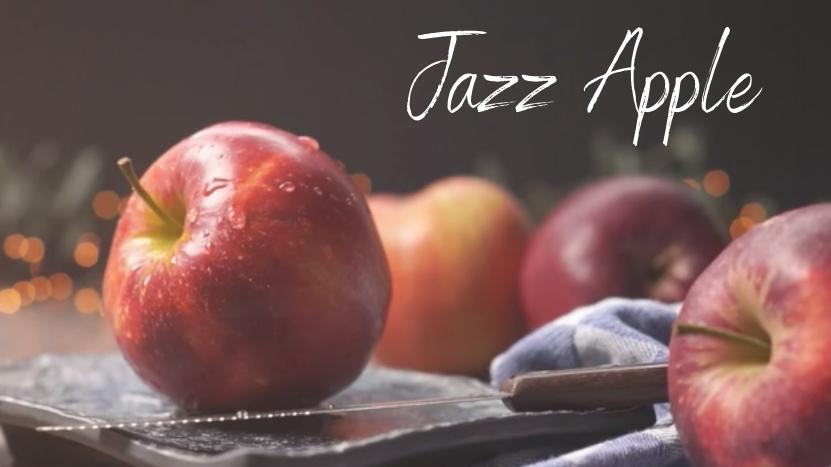
Picture this: nestled in the lush, rolling hills of New Zealand, where the air is crisp and the land is kissed by the sun, a new gem emerged in the apple world – the illustrious Jazz apple. It’s not just any apple, but a delightful culmination of natural apple goodness, thanks to the Kiwis’ brilliant cultivation skills. Now, before you whip out your passport and book a flight to New Zealand, let me save you the trip because these tantalizing treasures have made their way to the fertile plains of Washington, USA!
Now, let’s talk genealogy. The Jazz apple is the charismatic child of the regal Gala and the charming Braeburn apples, which hail originally from the enchanting lands of New Zealand themselves. Imagine the subtle allure of Gala’s sweetness mingling with the vibrant tang of the Braeburn. The marriage of these two varieties resulted in the birth of the Jazz apple – it’s as if Mother Nature decided to compose a symphony!
| Nutrient | Amount per 100g |
|---|---|
| Calories | 52 kcal |
| Total Fat | 0.2g |
| Saturated Fat | 0g |
| Trans Fat | 0g |
| Cholesterol | 0mg |
| Sodium | 0mg |
| Total Carbohydrate | 14g |
| Dietary Fiber | 2.4g |
| Sugars | 10.3g |
| Protein | 0.3g |
| Vitamin C | 5mg |
| Calcium | 6mg |
| Iron | 0.1mg |
| Potassium | 107mg |
Usage
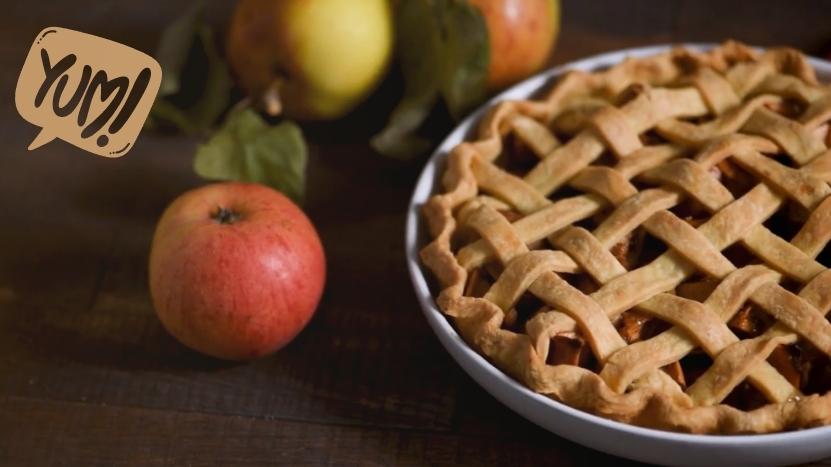
Jazz apples aren’t just for looking pretty in a fruit bowl – they’re performers, ready to dazzle your taste buds! Consuming them right out of your hand is like being in the front row at a live concert; each bite is a taste explosion. The sweet melodies and tart undertones of the Jazz apple serenade your senses. Their crispiness is like the rousing applause of a satisfied audience.
When it comes to baking, these maestros command the oven stage with finesse. Imagine your favorite apple pie recipe, now picture it elevated to new heights with the Jazz apple. Thanks to their dense flesh, they hold their shape like stars. They don’t bow down under the heat; instead, they embrace it, ensuring every bite of your pie is laden with textural brilliance and flavor that echoes through the culinary auditorium.
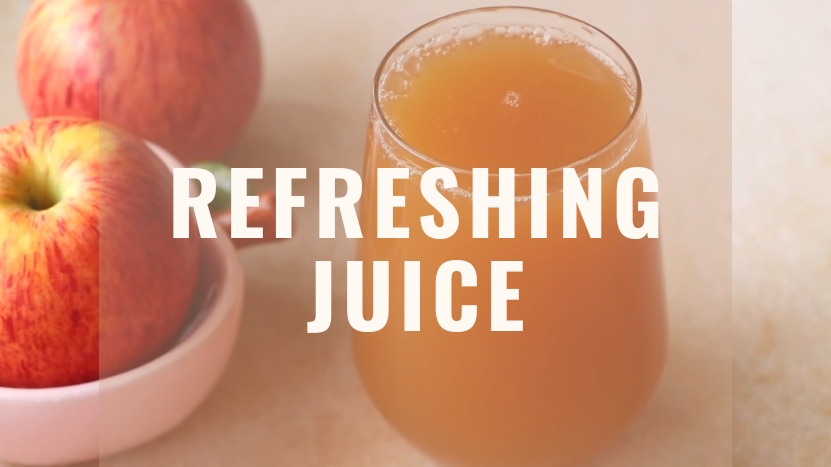
The Jazz Apple has another talent – it’s a juicing virtuoso. The sweet and tart medley is pitch-perfect for a refreshing glass of juice. Whether it’s a hot summer day or a cozy winter morning, a glass of Jazz apple juice is like a symphony for your soul, rejuvenating and invigorating.
Selection
When you set out to select your Jazz apple, think of yourself as a talent scout. You are looking for the star. A good-quality Jazz apple exudes confidence; it’s firm with smooth, clean skin. The hues of red and maroon interspersed with notes of green, yellow, and orange are like the vibrant attire of a rockstar.
Engage your senses. Hold the Jazz apple in the palm of your hand as though you are shaking hands with a maestro. Don’t press it with your thumb, let it rest in your hand. It should feel solid and substantial; an apple that promises a hearty performance, not one that feels like an under-rehearsed act.
Steer clear of apples that have any soft or dark spots; they are akin to a performer with a faltering voice. And if the apple skin wrinkles as you caress it, that’s the Jazz apple’s way of telling you it’s past its prime, much like an aged singer whose voice doesn’t quite hit the high notes anymore.
Storage
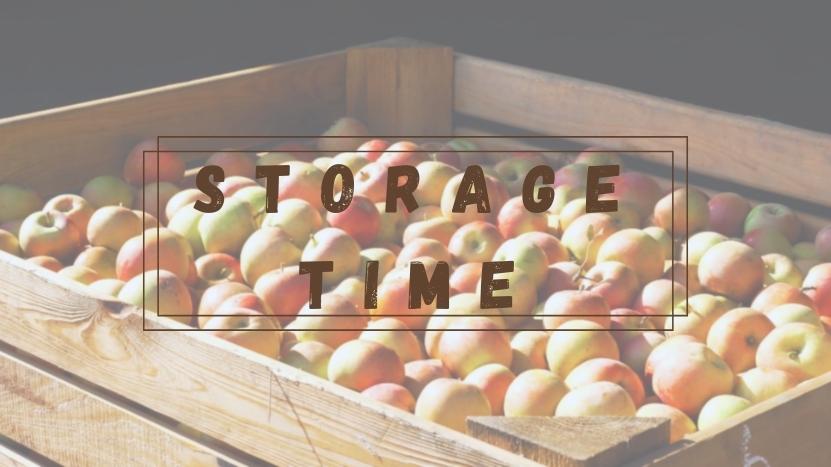
When it comes to storing your Jazz apples, think of your refrigerator as their dressing room. This is where they prepare for their final act – the grand performance on your plate. Keep them as cold as possible; apples don’t freeze until the temperature hits a cool 28.5°F.
Apples are divas; they need their space. Store them in a plastic bag away from strong-odored foods such as cabbage or onions. You don’t want your Jazz apples picking up the flavors of the green room instead of focusing on their performance.
Ripening Apples, unlike some of their fellow fruits, don’t believe in last-minute improvisations. They won’t ripen further once they have been picked. However, they do undergo a process called “curing” where they fine-tune their starches into sugars. This process is best achieved in the cool confines of a refrigerator – this is where the Jazz apple goes over its notes, ensuring perfection.
Remember that leaving them at room temperature is akin to having them wait in the wings under hot stage lights – not the best for those final, crucial moments of preparation.
Nutritional Information
Jazz apples don’t just nourish your senses, they take care of your health too! They’re the epitome of the phrase “an apple a day keeps the doctor away”. They are low in Saturated Fat, Cholesterol, and Sodium. Plus, they’re like the best kind of fan – they always give back. They provide you with Dietary Fiber and Vitamin C.
So, while you’re enjoying the concert of flavors, know that every bite is also a step towards a healthier, happier you.
Tips & Trivia
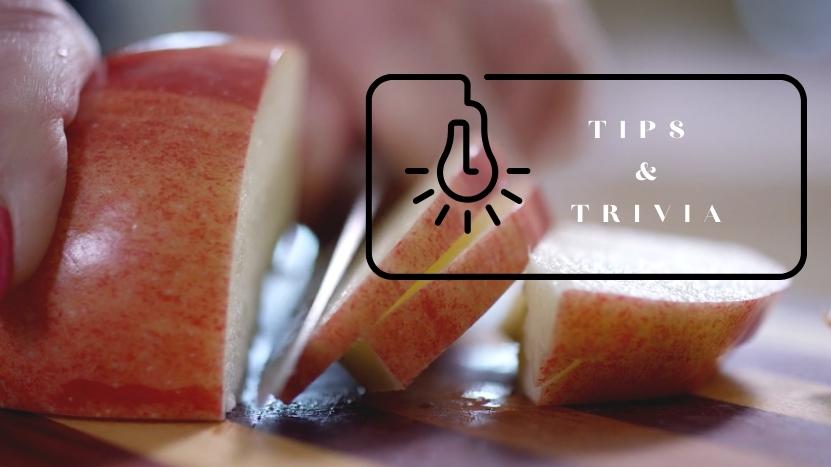
- When you cut into a Jazz apple, its beautiful, creamy white flesh is like a glimpse backstage. To keep it from turning brown, rub the cut apples with lemon juice. This ensures that they’re ready for the spotlight for hours.
- Do you know that the history of apple consumption is as rich as the history of music? It dates back to the Stone Age in areas now known as Austria and Switzerland. In ancient Greece, an apple was more than a fruit – it was a symbol of love and marriage.
- And how can we forget Johnny Appleseed, the folk hero who spread the cultivation of apples in the United States? He was the ultimate promoter, ensuring that apples had the best stage – nurseries in Pennsylvania and Ohio.
- So, the next time you bite into a Jazz apple, remember that you’re not just having a fruit; you are part of a rich, historical, and flavorful symphony.
Epilogue
Indulging in the delightful Jazz apple is akin to experiencing a symphony of flavors and textures. This unique apple variety, born from the Gala and Braeburn apples of New Zealand, captivates with its sweet and tangy notes. Whether enjoyed fresh, baked into exquisite desserts, or transformed into a, the Jazz apple never fails to impress. By selecting the finest specimens and storing them with care, you ensure a stellar performance on your plate.
Embracing the nutritional benefits of Jazz apples further adds to their allure. So, savor each bite, knowing that you are partaking in a harmonious fusion of taste and health. Let the story of the Jazz apple remind us of the rich history and symbolism embedded in this extraordinary fruit. Just like music, the Jazz apple invites us to celebrate nature’s bounty and revel in the timeless pleasure of a well-composed symphony.