
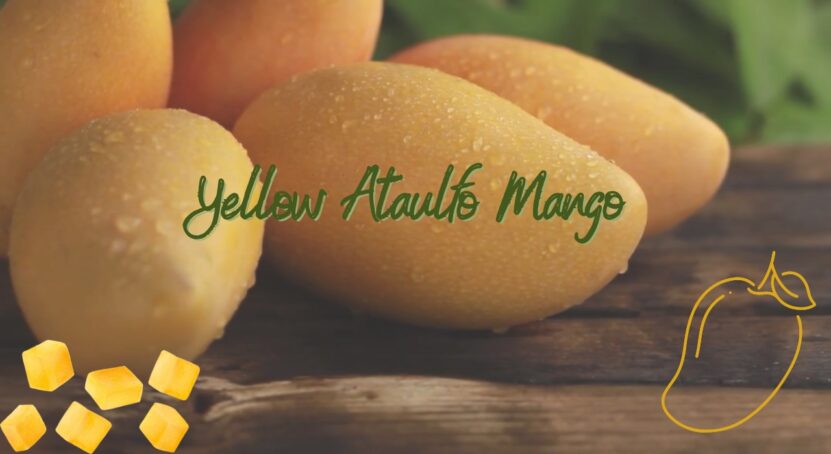
When it comes to the esteemed world of mangoes, the Ataulfo Mango is like a maestro conducting its own opus. The reason for this distinction? A breathtaking duet of unparalleled flavor and sumptuously smooth, string-less flesh that dons a golden yellow robe when ripe.
Imagine a taste so exquisite that it takes you on a journey across the tropics. With the Ataulfo Mango, each bite is like the delicate plucking of harp strings – it resonates deep within your senses. The flavor is a medley of honeyed sweetness with just a whisper of tang, like a perfectly composed piece that has just the right balance of notes.
Usage
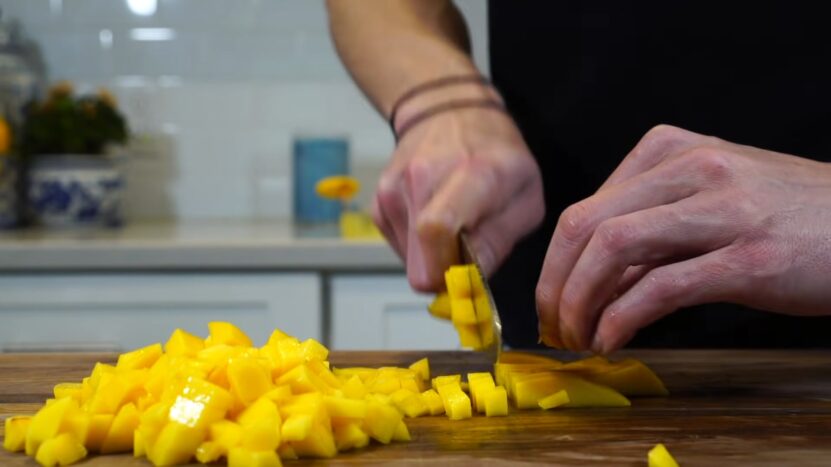
Ah, the myriad ways to savor the Ataulfo Mango! It’s as if this alluring fruit has donned the cape of a culinary superhero. Eating it right out of your hand is an unadulterated pleasure – each bite is like a loving embrace from the tropics. The flesh, generous despite the mango’s demure size, simply melts in your mouth as if whispering secrets of exotic lands.
Venture further, and use this delightful fruit in salads, where it plays a symphony with other ingredients. Imagine the jubilant union of Ataulfo Mango with arugula, nuts, and a drizzle of honey-lime dressing. Transform it into a chutney that dances on your palate with its sweet and tangy notes. Juice it or blend it, and you have the nectar of the gods in a glass. The Ataulfo Mango is an artist, painting your dishes with strokes of brilliance.
Selection
When choosing an Ataulfo Mango, envision yourself as a talent scout seeking the star performer. The skin, a vibrant yellow to orange, is the curtain unveiling the marvel that lies within. The shape is reminiscent of an “S”, almost as if the mango is in a perpetual state of dance.
Indulge your senses – opt for mangoes that yield slightly to gentle pressure; this is their invitation for you to partake in their splendor. If you’re uncertain, engage with the produce expert and request a sneak peek into the treasure that lies within. Let your fingertips and tastebuds guide you. When your eyes close, it is as though the mango whispers to you through the tender give of its flesh.
Just as a musician avoids an out-of-tune instrument, so should you avoid these mangoes. Their lost luster is a tale of what might have been. It is a reminder that even amongst stars, there are those that burn out before they can dazzle.
Storage
Much like performers awaiting their turn in the green room, mangoes need their space to prepare for the grand entrance. A firm mango can be stored in the cool, calming embrace of your refrigerator for nearly two weeks, still ripening to perfection.
Consider your refrigerator the cocoon where the Ataulfo Mango metamorphoses into the enchanting butterfly that is the ripe, ready-to-eat fruit.
Ripening
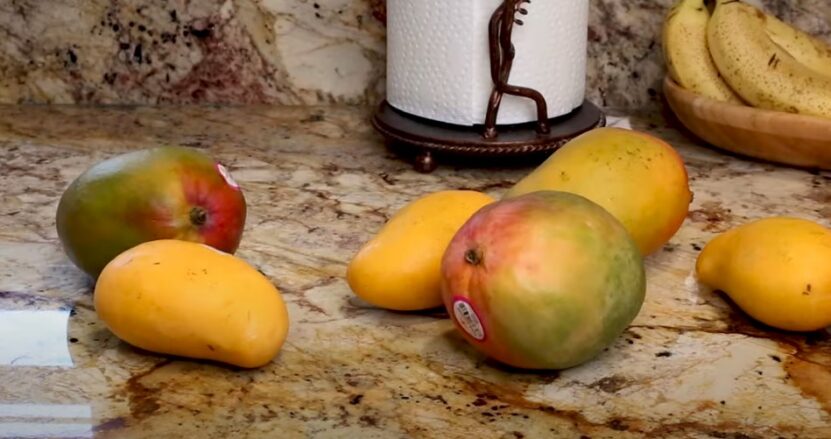
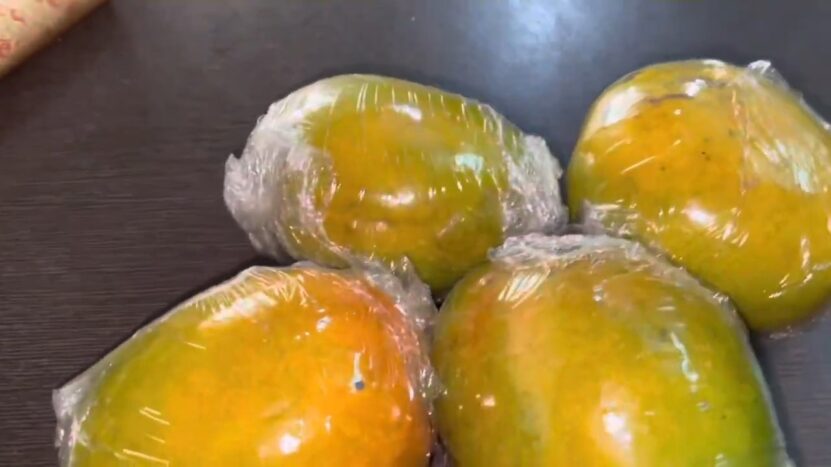
If your Ataulfo Mango is yet to take its final form, fret not. Allow it to ripen gracefully at room temperature, ensconced in a paper bag. Want to expedite the process? Place it in a sealed plastic bag with a ripe banana – the ethylene will serenade the mango into ripening faster.
This period is akin to the final rehearsal before the curtain call – the culmination of a process that ensures when the Ataulfo Mango takes the stage, it does so with aplomb.
Nutritional Information
Dressed in its golden garb, the Ataulfo Mango isn’t just a feast for the senses, it’s a cornucopia of health. With incredibly low levels of Saturated Fat, Cholesterol, and Sodium, it’s the friend that always looks out for you.
Moreover, it’s a treasure trove of Dietary Fiber and Vitamin B6, with an encore of Vitamin A and C. The Ataulfo Mango doesn’t just satiate your taste buds, it nourishes your very being.
Tips & Trivia
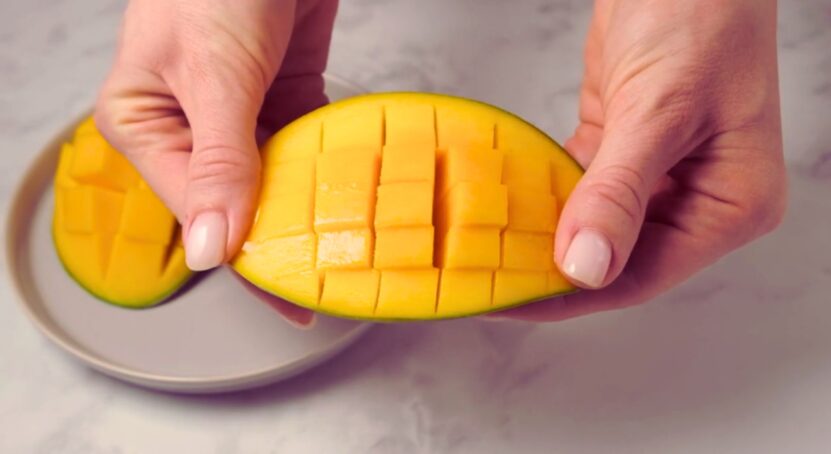
- Here’s a nifty trick to elevate your mango experience. Slice the fruit along the flat side of the seed. Then, like an artisan, score the cut side in a criss-cross pattern. Be gentle, like you’re playing a delicate instrument, ensuring not to cut all the way through.
- And did you know, mangoes are like hidden gems in the world of fruit? Globally, mangoes reign supreme. However, in the United States, they often play second fiddle to bananas. When an Ataulfo Mango is labeled “Manila Mango,” know that it’s an Ataulfo in disguise, ready to reveal itself in all its glory – unless you’re actually in the Philippines, where Manila mangoes are a variety of their own.
- Celebrate the Ataulfo Mango by buying them in bulk at an encore-worthy price and freeze the ones you don’t use. They will be your standing ovation in a blender or juicer at a later date, always ready for an encore.
Epilogue
The Ataulfo Mango, with its golden robe and unmatched flavor, stands as a maestro in the realm of tropical fruit. Each bite is a harmonious blend of sweetness and tang, captivating taste buds with its impeccable composition. Whether enjoyed on its own or incorporated into culinary creations, the Ataulfo Mango shines as a culinary superhero, adding vibrancy to salads, chutneys, and refreshing juices. Selecting these mangoes is an art in itself, with vibrant colors and gentle yield serving as cues to their splendor.